What are Indigenous Food Hubs?
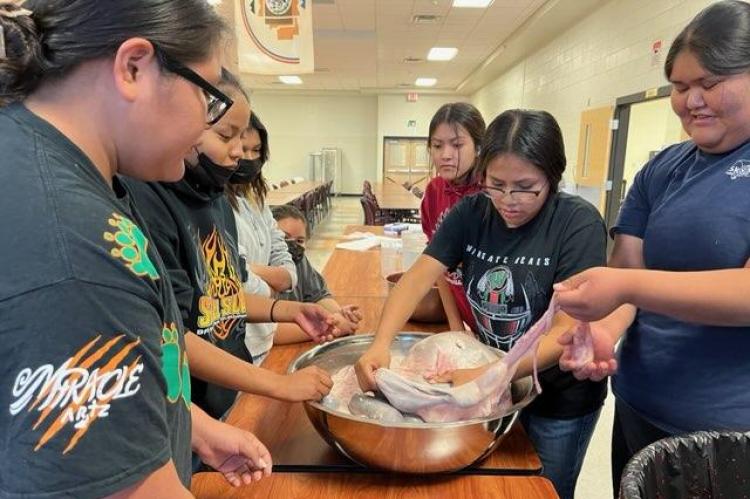
The Bureau of Indian Education and the Bureau of Indian Affairs are working to strengthen food sovereignty in Indigenous communities through BIE schools' Indigenous Food Hubs program. Five BIE schools and four BIA detention centers are pilot sites for this program.
Indigenous Food Hubs help schools:
- Source Indigenous foods for meals.
- Provide culturally relevant nutrition education and educational materials.
- Provide students with monthly or weekly Indigenous-focused meals.
- Train staff in healthy food preparation with regular professional development opportunities.
Bureau Operated Indigenous Food Hubs
-
Wingate High SchoolImage
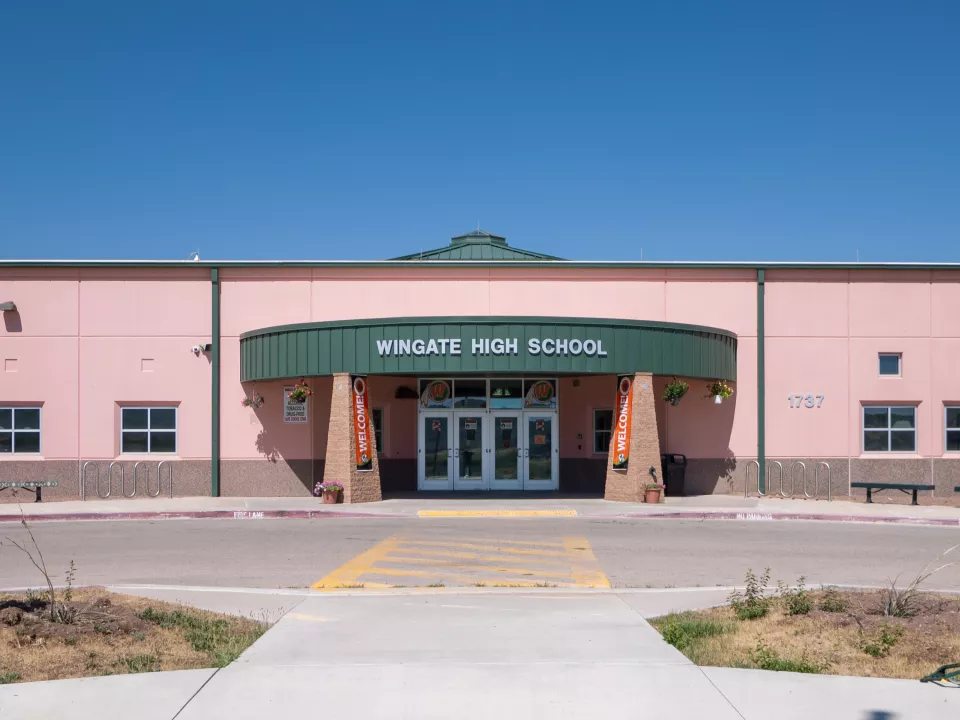
Located on the Navajo Nation in Gallup, New Mexico, Wingate High School is a Bureau Operated School serving students in ninth through 12th grade. The school focuses on the Navajo principles of Nitsáhákees (Thinking), Nahat ́á (Planning), Iiná (Life) and doo Sihaasin (Evaluation) to foster critical thinking and academic success. The school offers Navajo language classes and time in the community garden as part of its culturally relevant curriculum.
-
Nenahnezad Community SchoolImage
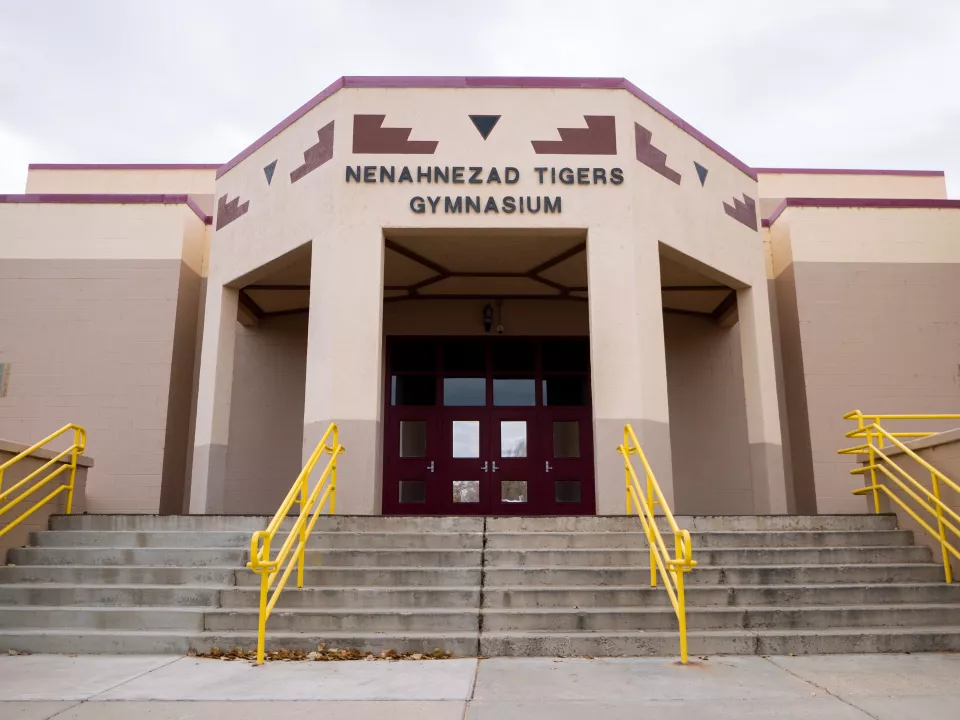
At Nenahnezad Community School in Fruitland, New Mexico, every individual embraces the role of a teacher, committed to fostering a lifelong passion for learning. The dedicated staff serves students from kindergarten through sixth grade, emphasizing core subjects like reading, writing, math and science, alongside essential media literacy and technology skills. Students also engage in Navajo language and cultural studies, and participate in enrichment programs for the future.
-
San Felipe Pueblo Elementary SchoolImage
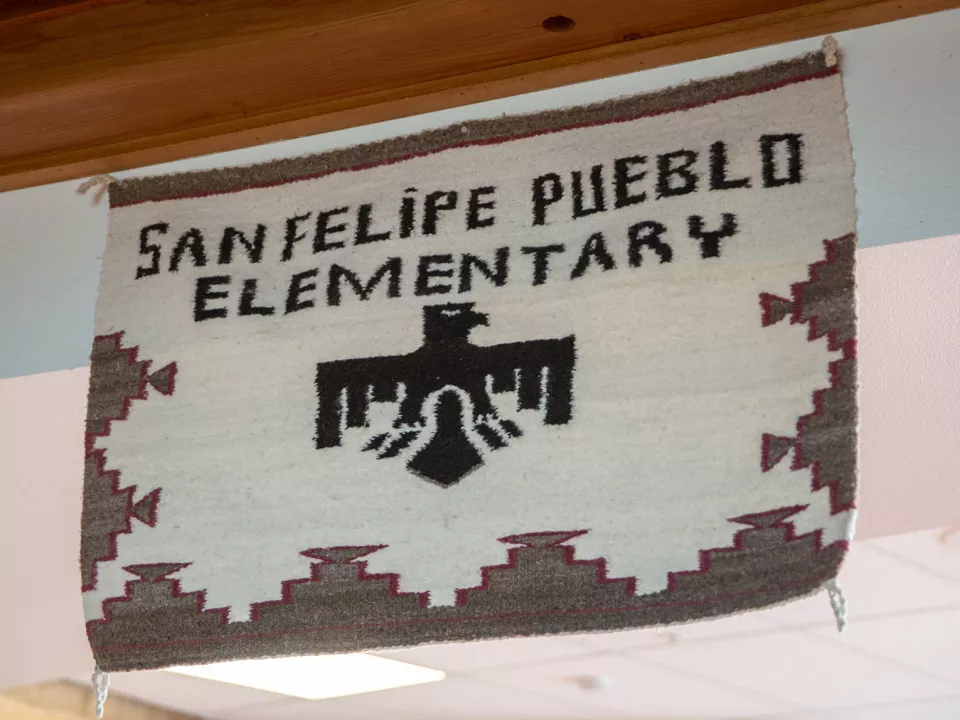
San Felipe Pueblo Elementary School is located in San Felipe Pueblo, New Mexico, and serves students from kindergarten through the eighth grade. The school strives to create a safe, united learning community where academic achievement and cultural heritage are deeply valued. The school focuses on all aspects of wellness for students and staff. Its curriculum prepares students to use technology, work cooperatively, and acquire life skills for a better tomorrow.
-
Sherman Indian High SchoolImage
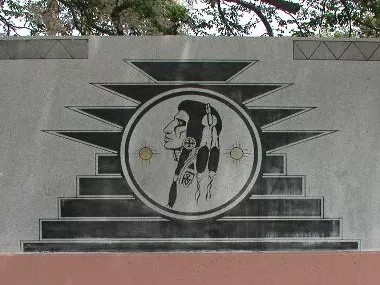
Located in Riverside, California, Sherman Indian High School is one of four BIE off-reservation residential schools serving high schoolers in ninth through 12th grade representing more than 100 Tribes across the United States. Sherman offers rigorous academics and a robust athletic program as well as opportunities for cultural activities, including powwows, traditional dance, language classes and more.
-
Chemawa Indian SchoolImage
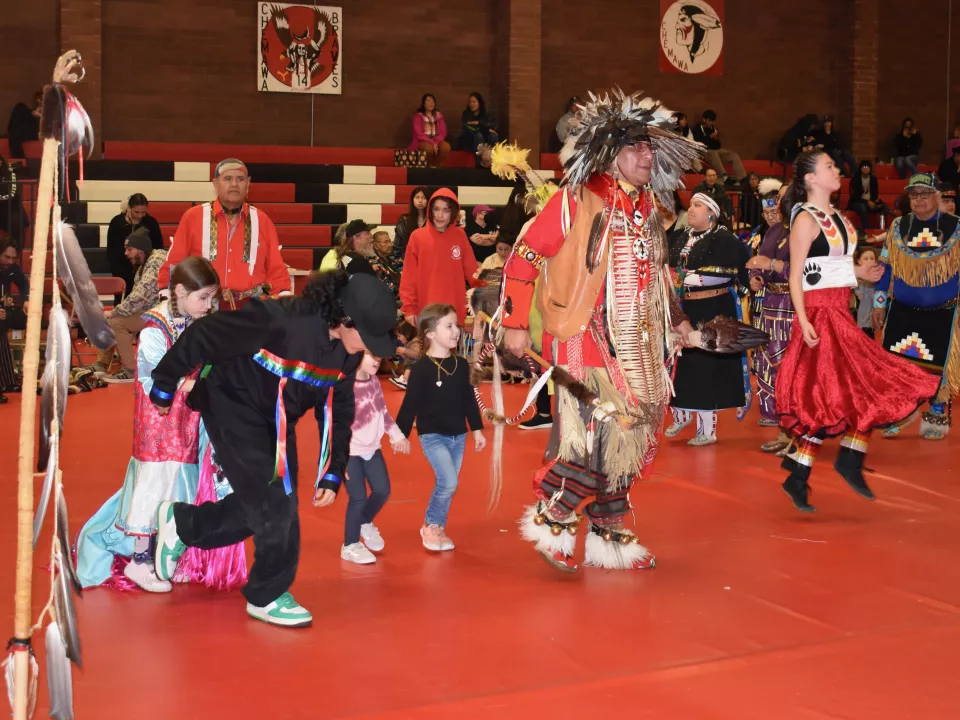
With a sprawling campus in beautiful Salem, Oregon, Chemawa Indian School is one of the BIE's four off-reservation residential schools. Its students are in ninth through 12th grade. It has been designated as the oldest, continuously operated boarding school for Native American students in the country. The school emphasizes academic achievement and cultural involvement, offering students numerous opportunities for both.
Tribally Controlled Indigenous Food Hubs
-
Santa Fe Indian SchoolImage
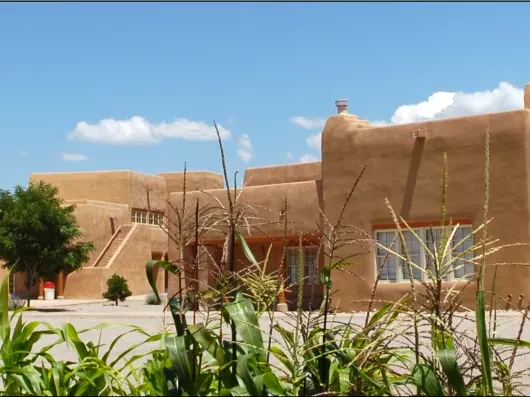
Located in Santa Fe, New Mexico, Santa Fe Indian School serves seventh through twelfth graders from 19 Pueblos in the region. Established in 1890, Santa Fe Indian School focuses on turning students into the "Ideal Graduate," emphasizing cultural values, creative and complex problem-solving, communication of clear solutions, independent living, and lifelong learning.
-
Sequoyah High SchoolImage
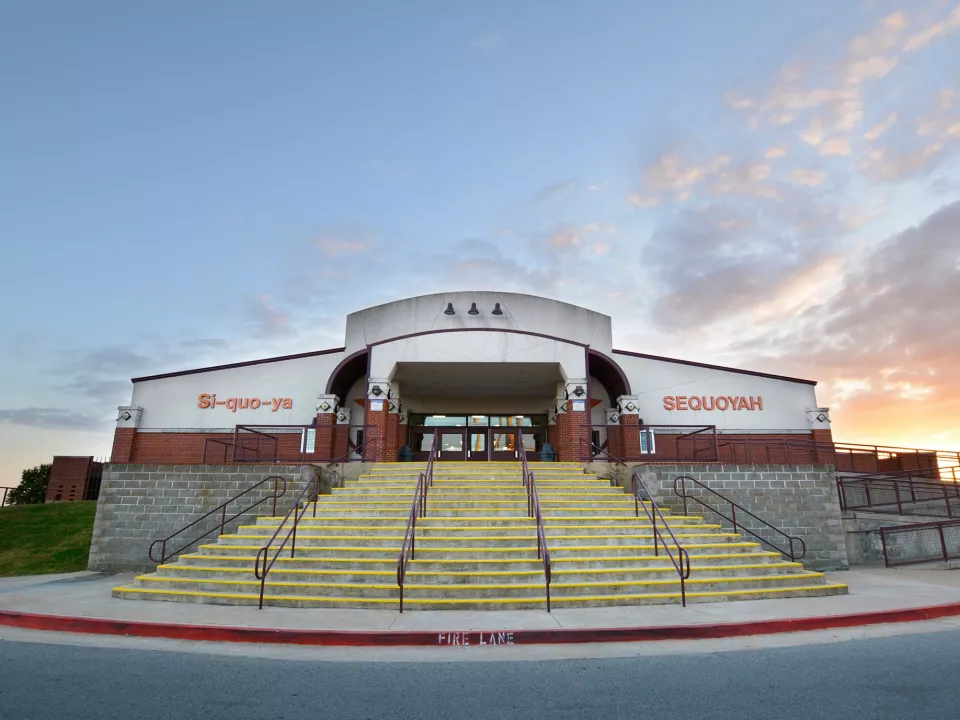
Sequoyah High School, located in Tahlequah, Oklahoma, is a Tribally Controlled School run by the Cherokee Nation, serving ninth through twelfth graders. Opened in 1871, it was renamed after Sequoyah, a Cherokee citizen who developed the Cherokee Syllabary, in 1925. Combining rigorous academics and culturally relevant coursework, Sequoyah offers everything from robotics and speech/debate to Cherokee language classes and Native American history.